
Exploring cultural perspectives on gambling Insights from chicken road
The Evolution of Gambling in Different Cultures
Gambling has been a part of human civilization for centuries, with its roots tracing back to ancient cultures. Various societies have embraced gambling in distinct ways, often weaving it into their cultural fabric. For instance, in many Asian cultures, gambling is seen as a communal activity, fostering social connections and camaraderie among participants. This contrasts with Western perspectives, where gambling is frequently viewed as an individual pursuit, often linked to personal risk-taking and financial gain.

This cultural dichotomy significantly influences the types of games that are popular in different regions. While table games like poker thrive in Western casinos, traditional games such as Mahjong hold sway in Asian contexts. Understanding these cultural perspectives on gambling can provide deeper insights into player behavior and preferences, enhancing the overall gambling experience. chicken road
The Role of Technology in Modern Gambling
The advancement of technology has revolutionized the gambling landscape, making it more accessible to a broader audience. Online platforms have emerged, allowing players to engage in various games from the comfort of their homes. This transition has been particularly beneficial in regions with strict gambling regulations, as it provides a legal avenue for individuals to partake in gaming activities.
Cultural Attitudes Towards Gambling and Its Implications
Cultural attitudes towards gambling can significantly impact its perception and regulation within societies. In regions where gambling is seen as taboo, individuals may face social stigmas, which can deter them from participating in gambling activities. Conversely, in cultures that celebrate gambling, such as during festive occasions, it can become a vital part of community bonding and entertainment.
These varying attitudes also influence how gambling establishments operate. In areas where gambling is widely accepted, casinos often thrive and flourish, while in more conservative environments, they may be forced to adopt stricter regulations or even operate underground. Understanding these cultural nuances is crucial for anyone involved in the gambling industry, as it shapes marketing strategies and customer engagement.
The Psychological Aspects of Gambling
The psychological factors behind gambling are complex and can vary significantly across different cultures. Many studies suggest that the thrill of risk and the potential for reward can lead to addictive behaviors in some individuals. Cultural beliefs play a pivotal role in shaping these attitudes, as some societies may promote risk-taking as a form of bravery, while others may view it as reckless.
Moreover, the impact of peer pressure and social acceptance is paramount in determining an individual’s willingness to gamble. In cultures where gambling is normalized, individuals might feel more inclined to participate, often viewing it as a recreational activity rather than a risky endeavor. This psychological aspect highlights the need for responsible gambling practices tailored to diverse cultural backgrounds.
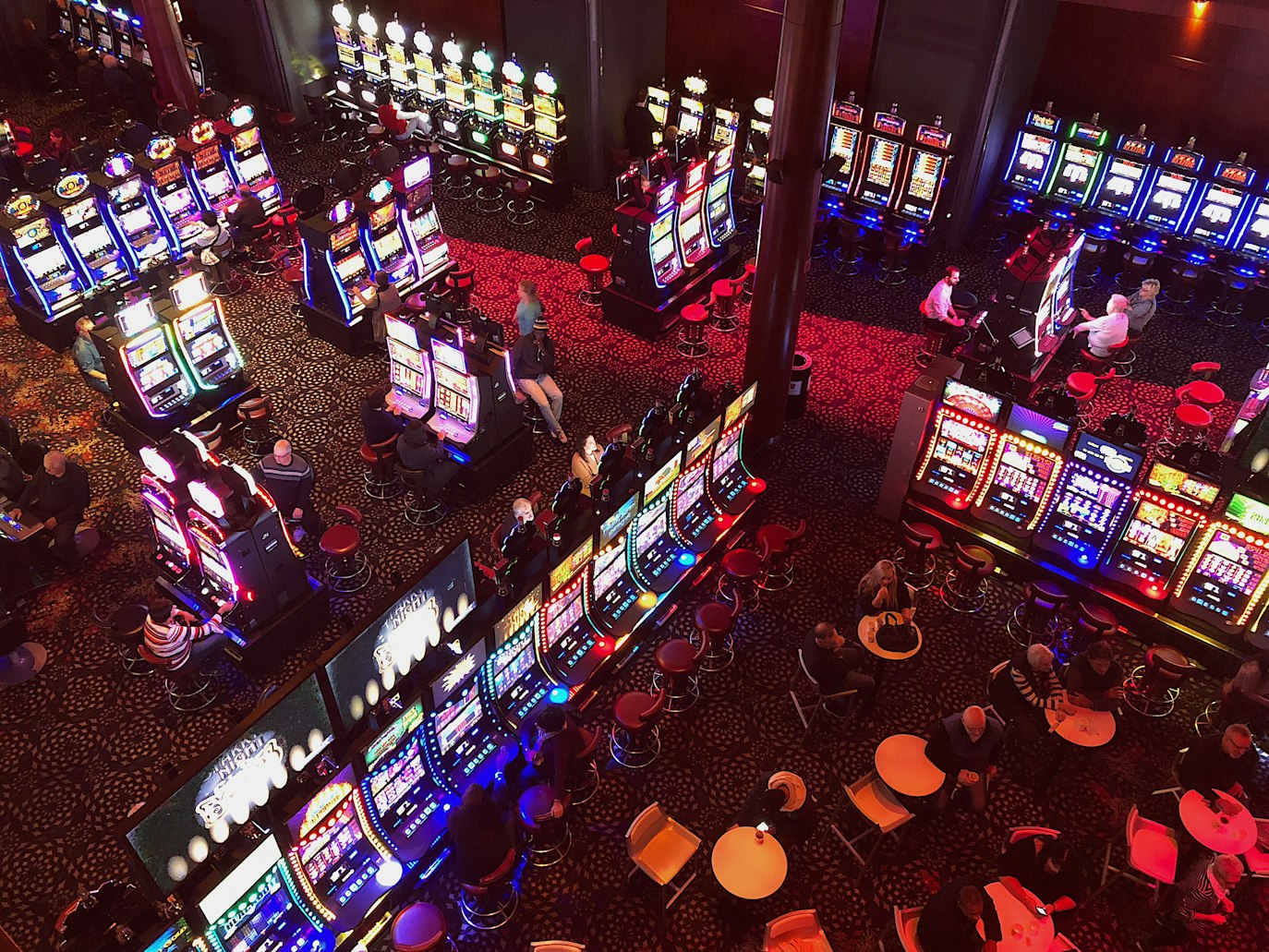
Exploring Chicken Road: A Modern Gambling Experience
stands out as a contemporary online gaming platform that encapsulates the thrill of gambling through engaging gameplay. Designed with user experience in mind, it offers players a chance to participate in fast-paced rounds where strategy and quick decision-making are rewarded. The platform’s vibrant graphics and seamless gameplay make it an attractive option for both novice and experienced players.
Moreover, provides an innovative risk-free demo mode, allowing users to familiarize themselves with the game mechanics before wagering real money. This unique approach encourages responsible gambling practices while enhancing player confidence. As the online gambling landscape continues to evolve, exemplifies how cultural insights can be effectively integrated into gaming experiences, appealing to a diverse audience eager for excitement and entertainment.